
Environmental
Engineering
Become a Leader in the Development of Sustainable Solutions
Currently offered as a cohort program. Contact us for information.
Addressing critical challenges like climate change, waste disposal, and ocean acidification, environmental engineers are at the forefront of creating sustainable solutions to preserve our planet. UConn’s 30-credit Master of Engineering (M.Eng.) in Environmental Engineering program equips students with the in-depth knowledge of physical, chemical, and biological processes and fundamental principles essential for tackling issues such as water and wastewater treatment and disposal, hazardous waste management, surface water and groundwater quality, water resources management, and air quality management. Graduates of this program will emerge with the critical ability to develop and implement innovative technologies for diverse environmental applications, ultimately aiming to improve and protect both the environment and human health.
Application Deadlines
FALL SEMESTER
July 15
SPRING SEMESTER
December 1
SUMMER SEMESTER
April 20
Acquire the skills you need to solve the world’s toughest environmental challenges
The program offers an in-depth study to ensure a comprehensive understanding of environmental engineering concepts, techniques, and technologies. Minimum qualifications for engineering roles vary by employer. Additionally, professional licensure requirements differ by state, so it’s important to contact your state licensing board to learn about the specific requirements for obtaining licensure in environmental engineering.
In addition to professional development skills, you will gain the knowledge and skills to:
- Use appropriate tools and techniques for the planning and design of site investigations and waste containment systems.
- Understand physical, chemical, and biological processes governing contaminant fate and transport in the environment and apply modern tools to predict this behavior.
- Apply the fundamental physical, chemical, and biological principles to problems in environmental engineering and design and develop comprehensive treatment strategies.
- Become a member of the environmental engineering community through networking with professional societies.
- Acquire professional discipline to stay abreast of current environmental engineering best practices, follow changes in regulatory and safety standards, and adhere to ethical engineering practices.
- Be prepared to advance in professional responsibilities and scope of expertise.
Note: This 100% online M.Eng. concentration is not eligible for UConn visa sponsorship.
View the M.Eng. Environmental Engineering Plan of Study.
What Are they Saying?
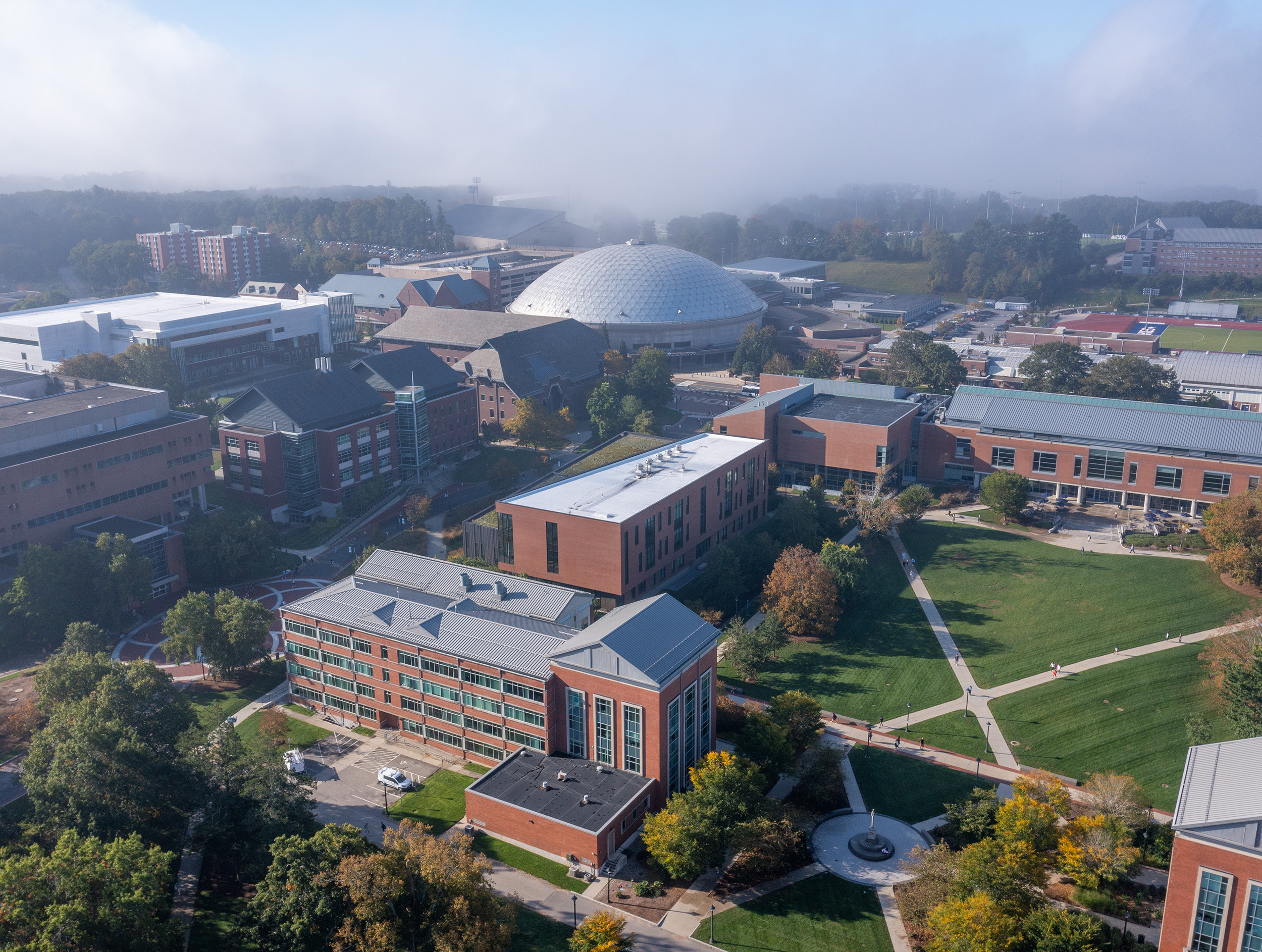
Why Choose UConn?
Elevate Your Career with UConn’s Master of Engineering
The next step in your engineering career starts here. UConn’s Master of Engineering (M.Eng.) offers a flexible and accessible path to drive your career and expertise from a top-ranked institution, no matter where you are or where you go.
Advanced Engineering Careers
What will you do with your M.Eng. degree?
Driving engineering careers with a UConn M.Eng., our graduate programs provide the advanced knowledge and skills sought after by employers across many sectors. Graduates are well-prepared for roles in areas such as product development, project management, research and development, technical consulting, and specialized engineering positions within industries ranging from manufacturing and technology to infrastructure and energy.

Student’s Name
Vestibulum et lectus mauris. Vestibulum cursus, lectus ac sodales commodo, nibh urna venenatis massa, a sagittis lacus justo vel risus. Proin sed nulla lorem. Duis sed lectus vitae nisl hendrerit semper sed nec elit. Pellentesque consequat vulputate nulla, eu hendrerit massa pharetra vel. Integer viverra eros et massa tempus pretium. Nunc aliquet tincidunt nulla ac consequat.